☀
Higher self-consumption
Surplus solar energy can be used later instead of being exported to the grid immediately.
We match battery storage to generation, consumption and the purpose of the project. It can increase the use of solar energy and, when properly designed, power selected circuits during an outage.
A larger battery does not always deliver a better result. Selection should be based on data and how energy is used.
Surplus solar energy can be used later instead of being exported to the grid immediately.
A properly configured system can shift electricity consumption over time, subject to equipment capabilities and the tariff.
After separating circuits and selecting sufficient power, the system can keep key appliances running during a grid outage.
Having a battery does not automatically mean the whole home will operate during an outage. We set priorities and design the system for actual loads.
We inspect the installation and define the battery's purpose before recommending a model and capacity.
We collect data about the PV system, consumption profile, inverter, distribution board and required backup.
We compare capacity, power, integration method and the possible scope of backup power.
We install the equipment, protection devices and controls in line with the agreed design.
We configure operating modes and the app, and test system behaviour during a grid outage.
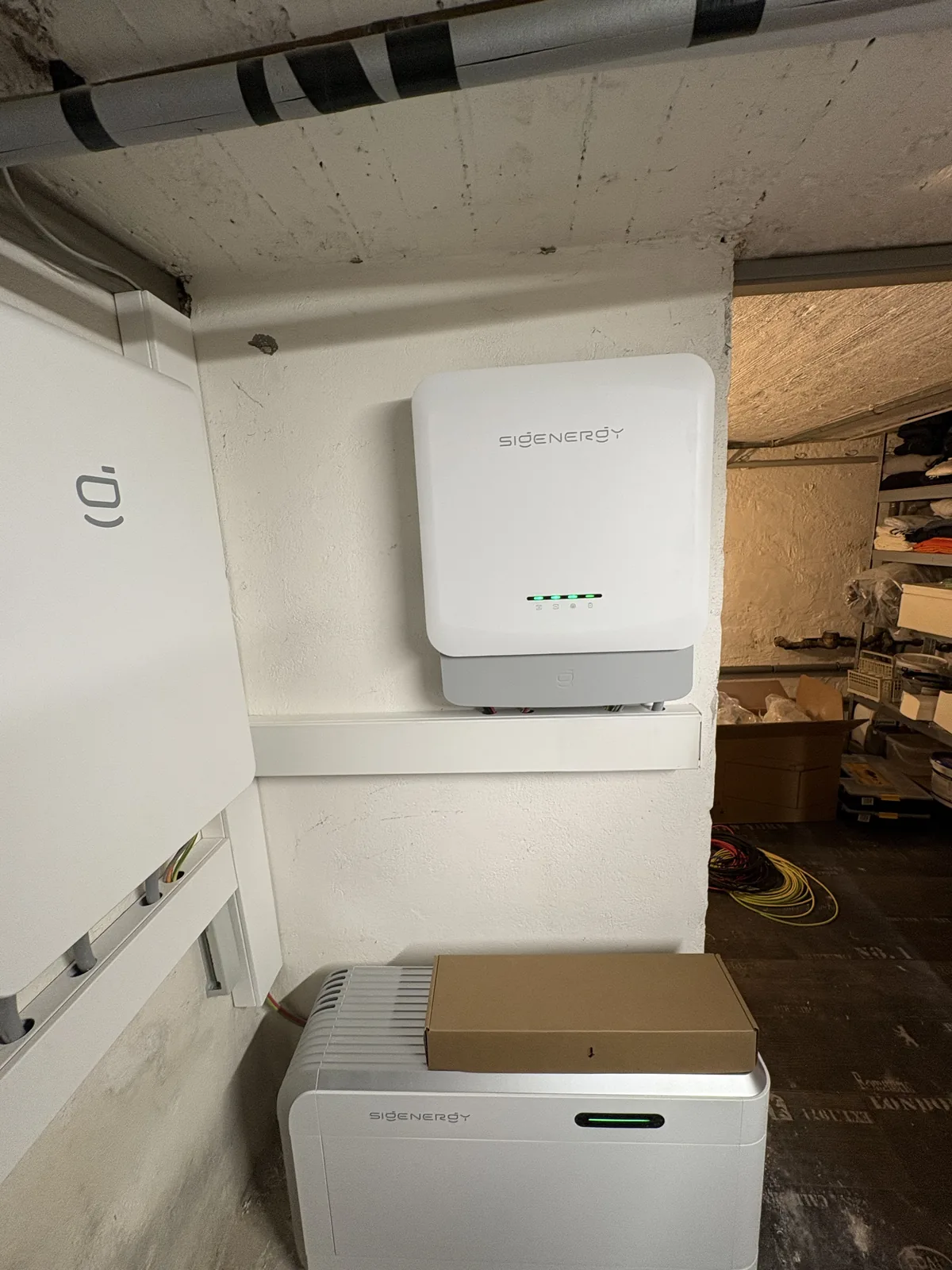
All four photos show real battery-storage systems installed by GreenExperts, including Sigenergy, Fronius with BYD and SMA with BYD equipment.
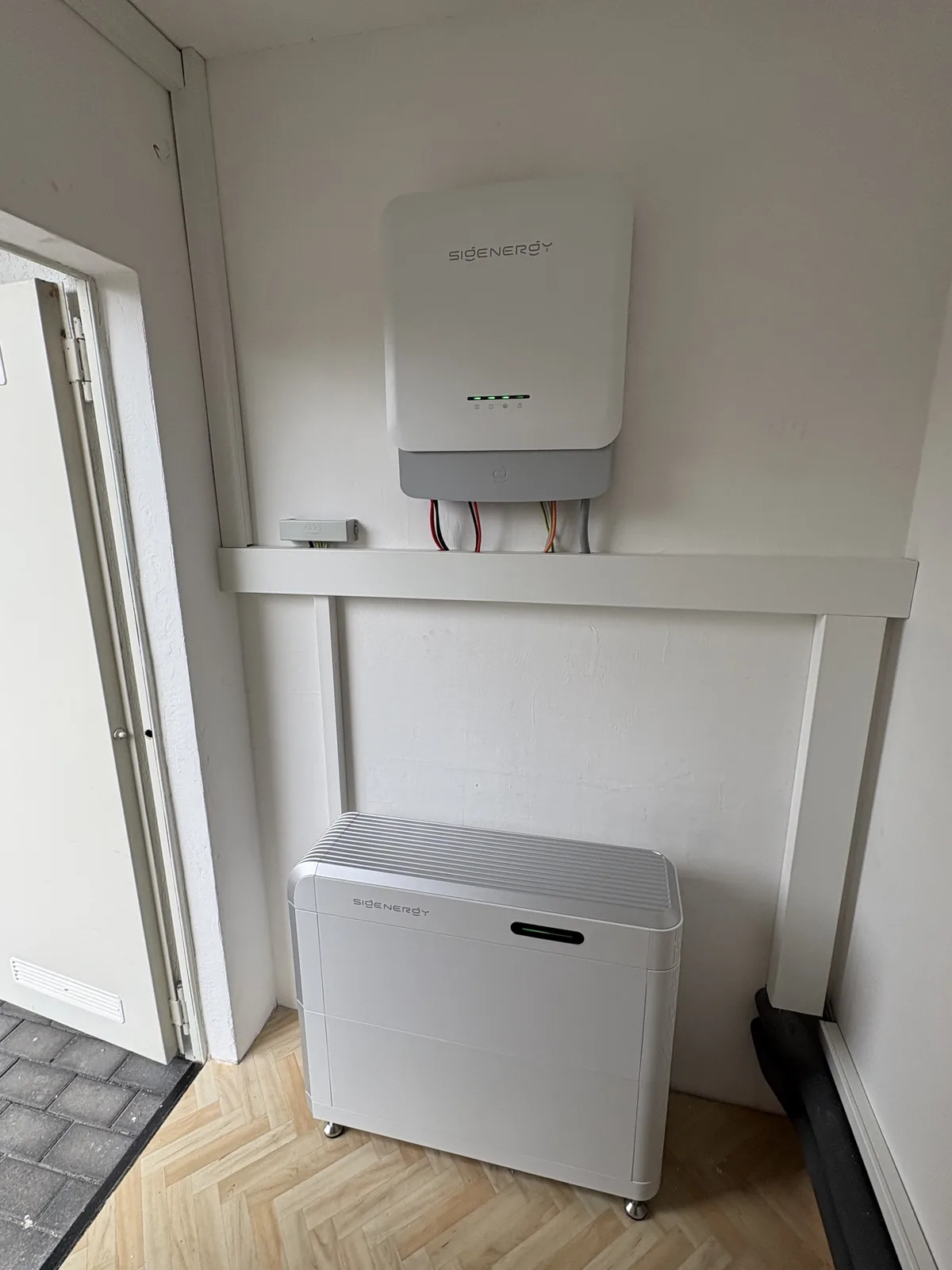
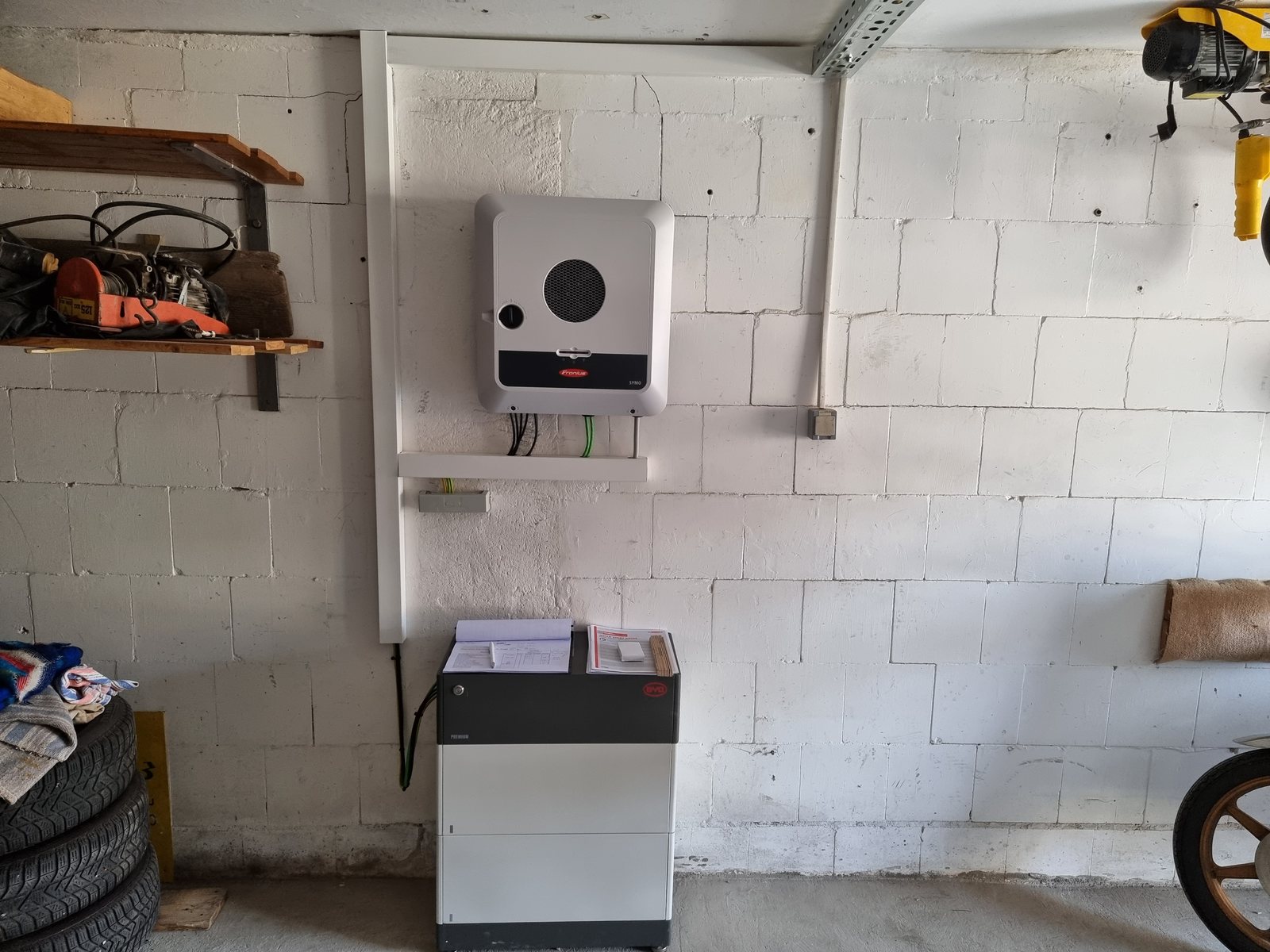
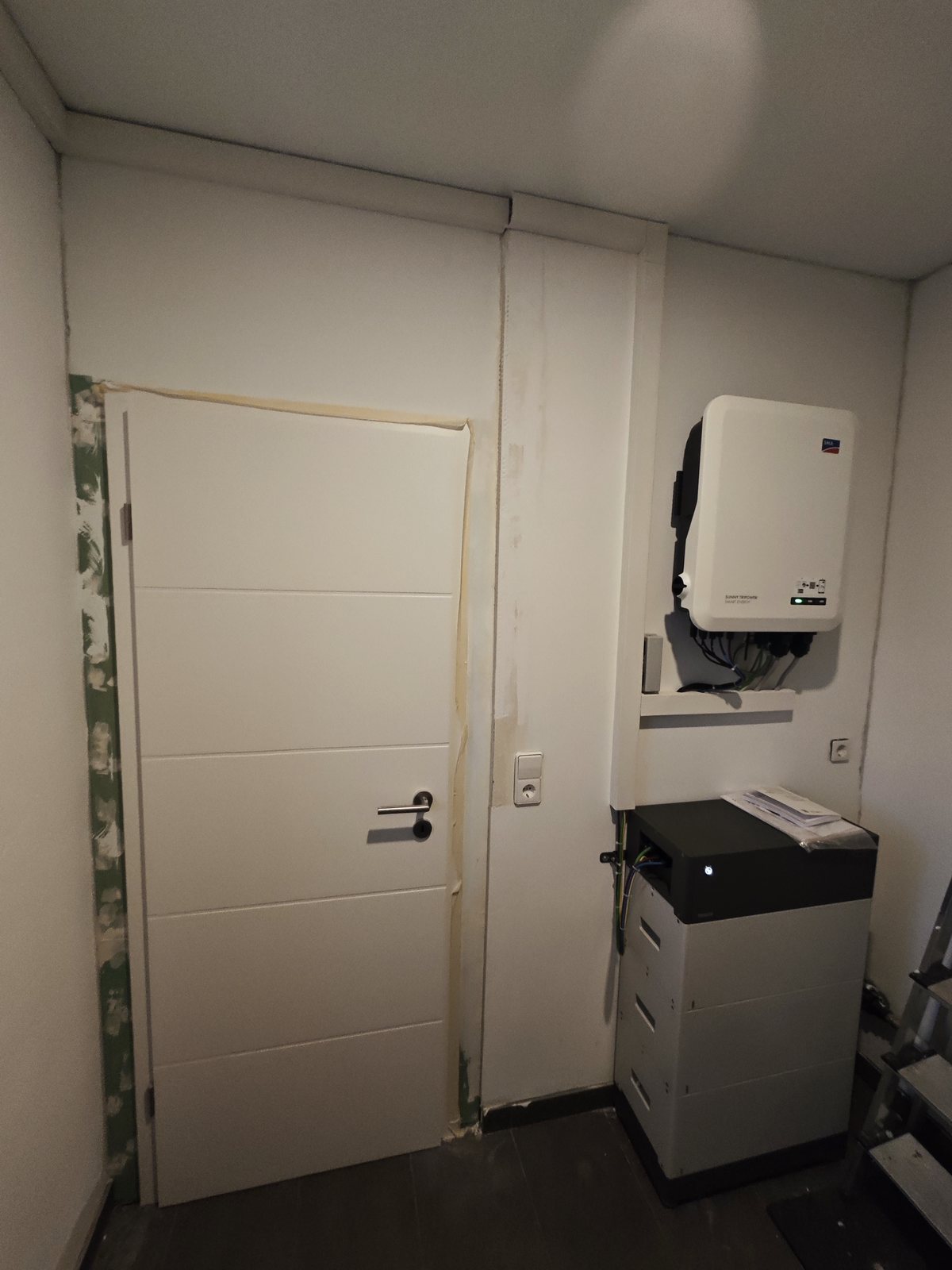
We confirm each option after checking equipment and electrical-system compatibility.
A typical set for increasing the use of solar energy, including installation and configuration.
Inspection of the inverter and protection devices, and selection of a method for connecting storage to the operating system.
Separated circuits, automatic transfer controls and configuration for appliances that should operate during an outage.
Prices are indicative and do not constitute a commercial offer. The cost depends on capacity and power, the inverter, compatibility with existing PV, required protection devices, cable routes and the scope of backup power.
The most important answers depend on consumption data and the existing installation.
We analyse PV generation, hourly consumption, the desired self-consumption level and the appliances that should operate during an outage.
Only if the system, inverter, battery power and electrical installation were designed for it. We often separate the most important circuits to extend runtime.
In many systems, yes. We first check the inverter, protection devices, grid arrangement and possible integration options.
It depends on usable capacity, current consumption and appliance power. Once the circuits are identified, we can prepare an indicative backup-runtime scenario.
Provide the PV capacity, inverter model, annual consumption and desired backup scope. We will follow up with questions and options.