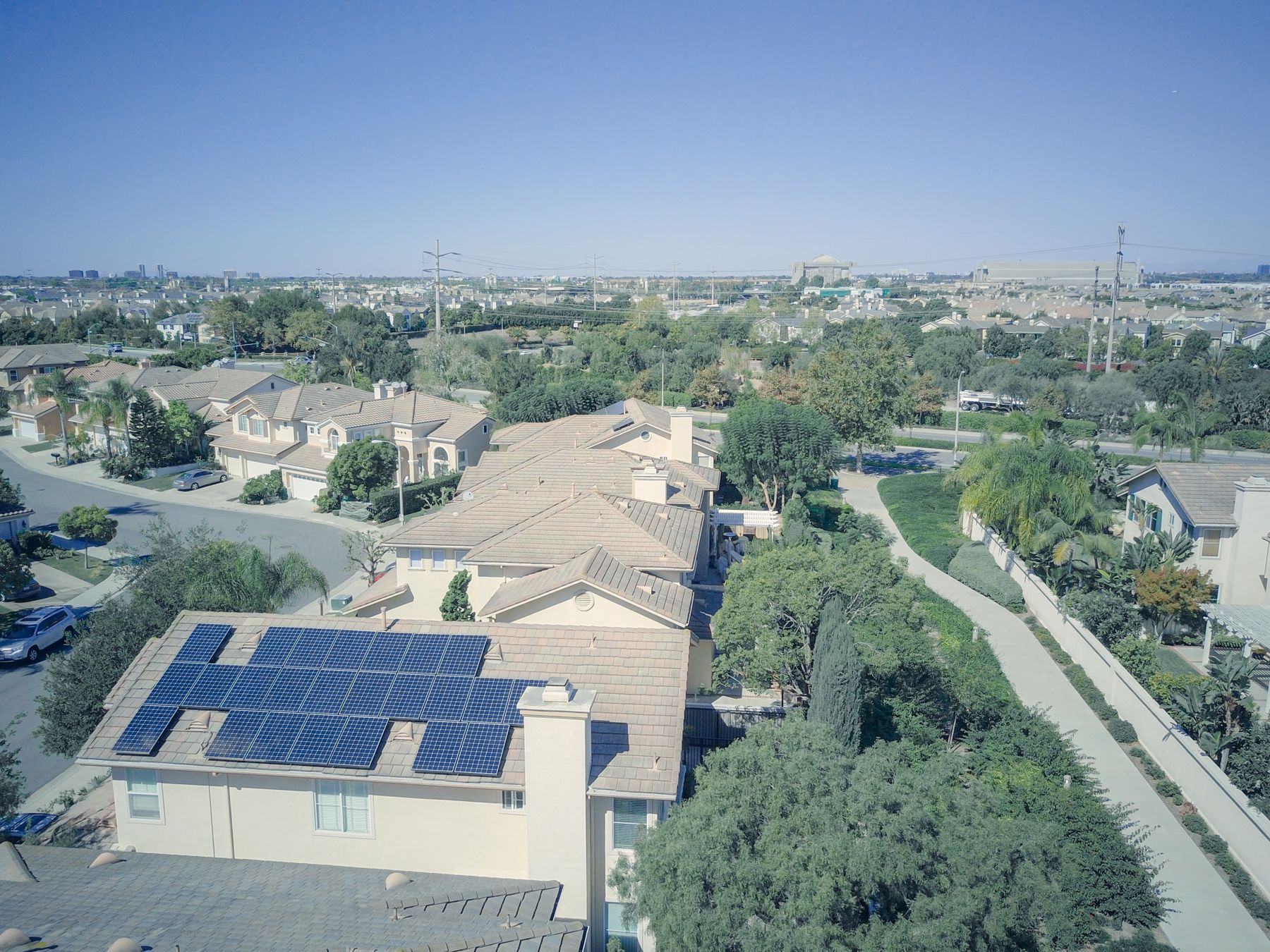
At the end of 2025, Poland had 1,636,673 renewable energy micro-installations with a combined capacity of nearly 13.9 GW — according to the Energy Regulatory Office (URE) in a report published on 19 March 2026. Photovoltaics accounted for 99.9% of all micro-installations.
Key URE data
In 2025, micro-installations exported more than 8.95 TWh of electricity to the grid. URE also reported 1,612,450 prosumer installations. They accounted for 94.4% of all micro-installation capacity and almost 97% of the energy exported by this group of sources.
These figures show the scale of distributed energy. However, they do not reveal how much electricity prosumers consumed directly on site; the reported exports to the grid represent only part of total generation.
Photovoltaics in the wider Polish energy picture
Poland's Ministry of Climate and Environment reported that renewable sources represented 50.04% of installed capacity in the national power system at the end of 2025, or 37,777 MW. Solar capacity alone rose to 24,808 MW. At the same time, renewables accounted for 31.41% of electricity generation.
The difference between the share of capacity and the share of generation is natural: rated capacity does not mean constant output around the clock. Solar and wind generation depend on weather conditions, so the system needs flexibility, grids and balancing resources.
More than 1.6 million installations demonstrate not only the popularity of photovoltaics. They also signal that future projects should better match local energy consumption.
What does this mean for someone planning photovoltaics?
The key conclusion is not “install as many panels as possible”. A new system should be sized for consumption, consumption hours and planned changes in the home or business.
- Check the consumption profile. The annual kWh total is a starting point, but when electricity is consumed also matters.
- Consider future equipment. A heat pump, air conditioning, electric car or business expansion can change the appropriate PV capacity.
- Compare options with and without battery storage. The battery should be selected using surplus-energy data and the purpose of the project.
- Keep expansion possible. The choice of inverter and system layout can make later stages easier.
Market scale does not replace an individual design
National data helps explain the direction of change, but it cannot determine the cost-effective capacity for a specific home. That requires bills, information about the roof, shading and electrical installation, and plans for the coming years.
Sources
- URE: Poland already has more than 1.6 million renewable energy micro-installations, 19 March 2026
- Ministry of Climate and Environment: Poland reaches 50% renewable capacity, 17 February 2026
Information current as of 27 July 2026. Figures have been rounded in line with the source announcements.