Poland's National Fund for Environmental Protection and Water Management (NFOŚiGW) reopened the call for photovoltaic systems and home battery storage from 8 to 19 June 2026. As of the publication date of this article, the application window has closed.
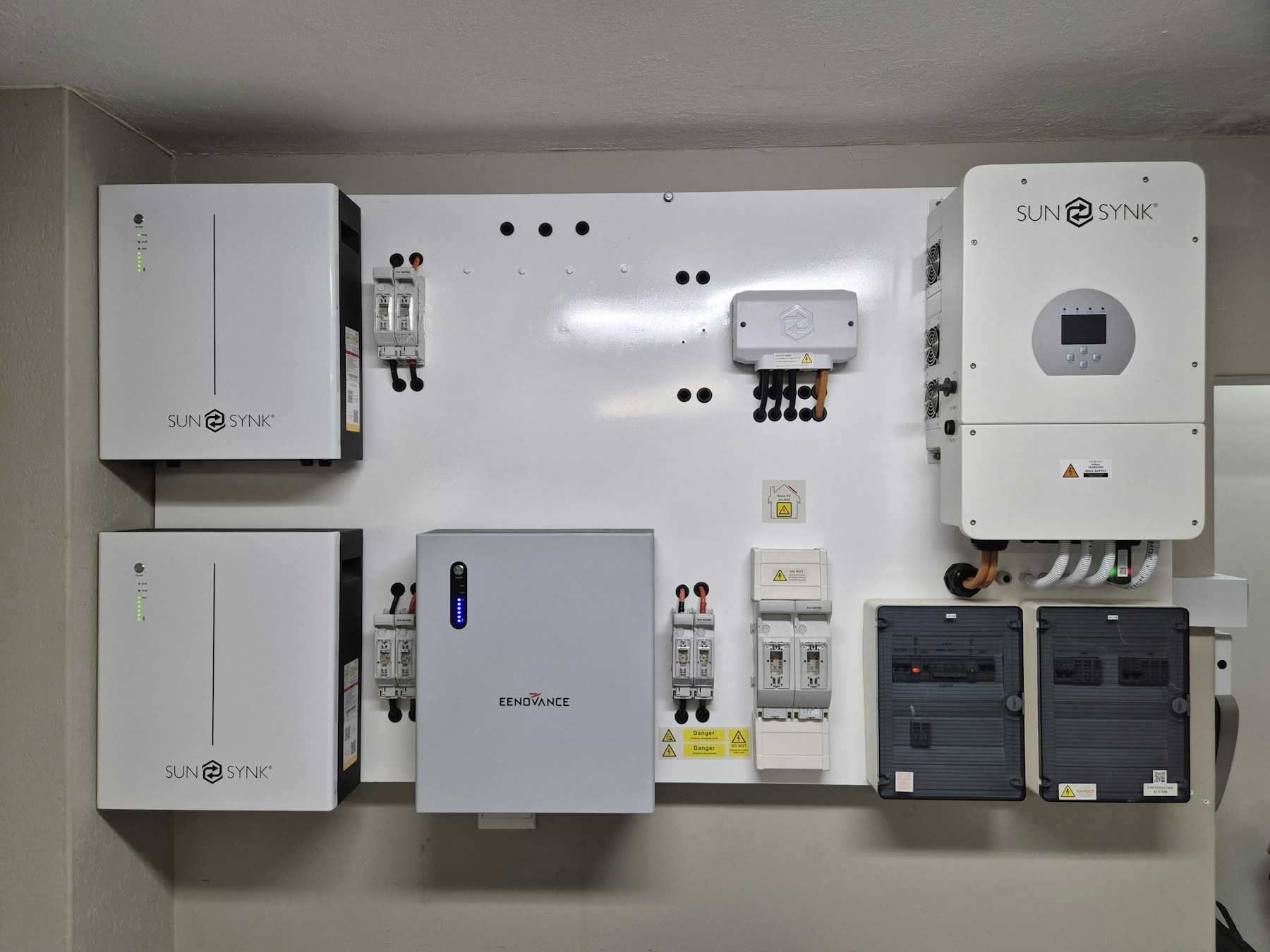
What exactly did NFOŚiGW announce?
In an announcement dated 2 June 2026, the Fund said it was reopening applications under an investment supporting photovoltaic micro-installations and home battery storage. The additional budget was PLN 105 million and came from Poland's Recovery and Resilience Plan.
According to data cited by NFOŚiGW, 12,738 applications were submitted in the first period through 8 May, using 67.39% of the available budget. These figures describe the situation reported by the Fund at the beginning of June; they are not a forecast for a future call.
Do not sign a contract solely on the basis of information that “a grant is about to launch”. First check the official rules, dates, eligible costs and the date from which expenditure may be incurred.
Can an application be submitted today?
Not under the June window described here; it ran until 19 June 2026. Programme status can change, so before making a decision, check the programme operator's website rather than relying only on an article, advertisement or earlier announcement.
GreenExperts can help verify current financing options, but the competent institution makes the final assessment and funding decision. A grant should not be treated as guaranteed income in the budget until all conditions have been met.
What should be prepared before the next call?
Even when no application window is open, the data needed for a good design can be prepared. This avoids making a rushed decision merely because a call has a short deadline.
- Bills and hourly data — help select PV capacity and usable battery capacity.
- Information about the existing system — inverter model, module capacity, protection devices and schematic if storage is to be added later.
- Purpose of the battery — self-consumption, tariff optimisation or backup power for selected circuits.
- Ownership and settlement documents — the required scope depends on the rules of the specific programme.
- Comparison of offers without a grant — the project should remain technically justified even if funding proves unavailable.
Design first, funding programme second
Funding rules may change far sooner than equipment reaches the end of its service life. The foundation should therefore be a properly sized system, compatible components, safe installation and a realistic operating strategy. Funding can improve project economics, but it cannot correct poor system selection.
Source
Information current as of 27 July 2026. This article is not the programme's rules and does not guarantee funding.