The year 2025 delivered another record for renewable energy growth. According to IRENA, global renewable capacity increased by 692 GW, with photovoltaics accounting for nearly three quarters of additions. At the same time, the IEA recorded 108 GW of new battery installations, 40% more than a year earlier.
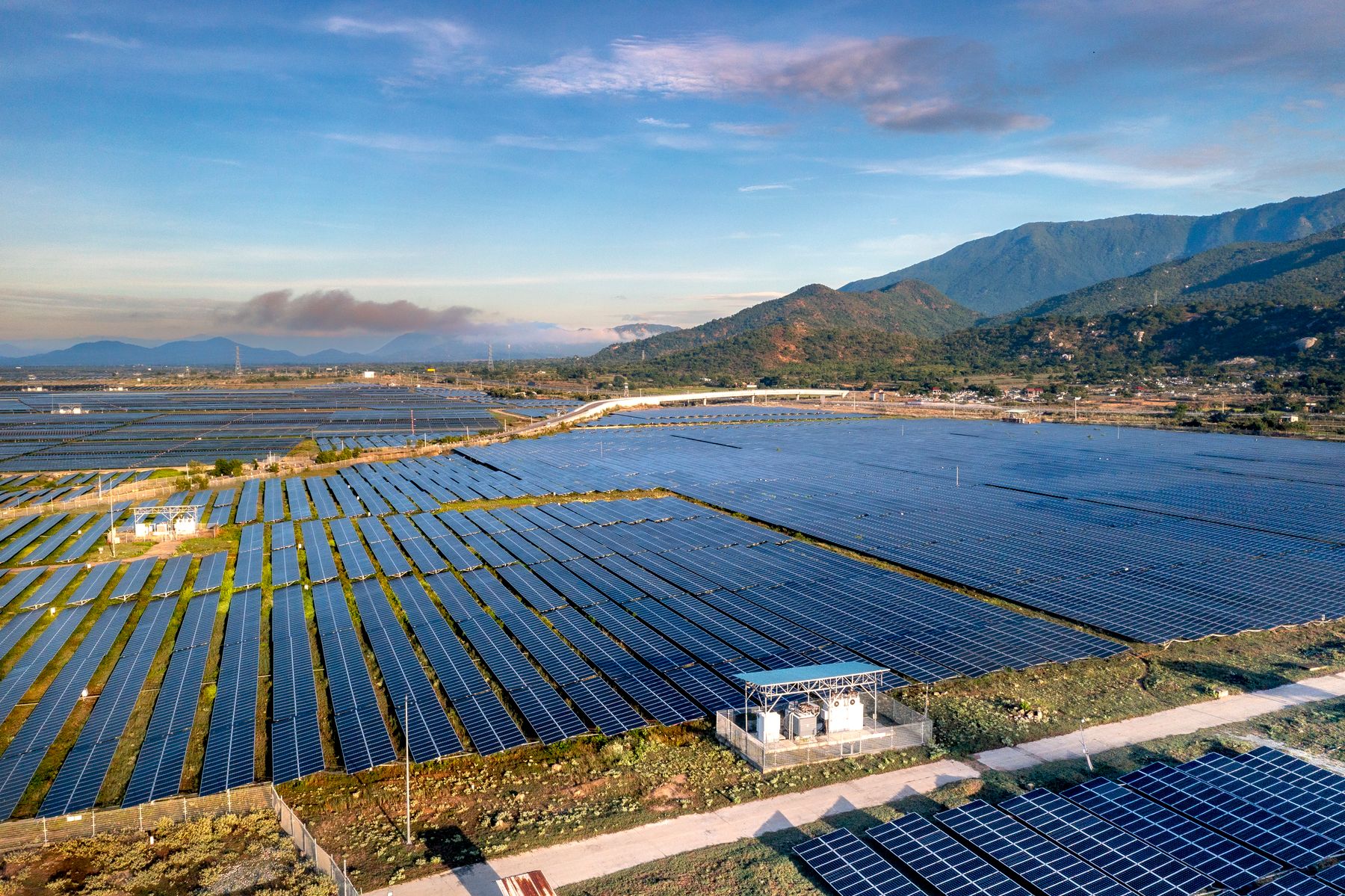
1. The world added 692 GW of renewable capacity
IRENA reported that global renewable energy capacity reached 5,149 GW at the end of 2025. The annual addition of 692 GW represented growth of 15.5%. This was a record, but development remained uneven across regions.
2. Solar accounted for almost 75% of new renewable capacity
Solar capacity additions reached around 511 GW. Photovoltaics was therefore the main driver of new renewable capacity, and together with wind accounted for 96.8% of all renewable capacity growth.
3. New battery storage reached 108 GW
The IEA estimated that 108 GW of new battery storage was commissioned worldwide in 2025, 40% more than a year earlier. Total installed capacity was around eleven times higher than in 2021.
Around 80% of new installations were utility-scale systems. This distinction matters: the global battery record does not mean that most growth came from home storage.
4. LFP technology dominates new installations
According to the IEA, around 90% of new battery systems used lithium iron phosphate (LFP) technology. Its popularity reflects its combination of cost, durability and operating characteristics. China accounted for around 60% of new battery installations in 2025.
5. Photovoltaics may overtake wind as early as 2026
In its 2026 mid-year outlook, the IEA assessed that photovoltaics was set to overtake wind and become the second-largest renewable source of electricity after hydropower. The agency also forecast that renewables could overtake coal in global electricity generation in 2026.
The global trend is clear: solar generation and the need for flexibility are growing at the same time. At home, however, the system must still be matched to local consumption rather than a world record.
What do these records mean for an investor in Poland?
The growing scale of the market supports technological development, but it does not determine the viability of a specific system. For a home or business, the key factors remain:
- PV capacity matched to consumption and installation conditions,
- compatibility of the inverter, battery and control system,
- a clear purpose for storage: self-consumption, tariff optimisation or backup,
- a safe electrical design and available service,
- comparison of options based on the same assumptions.
Global data shows the direction of travel, but a good design still starts with bills and the consumption profile of a specific building.
Sources
- IRENA: Near 700 GW Surge in 2025 Proves Renewable Energy Resilience, 1 April 2026
- IEA: Global Energy Review 2026 — Battery storage, 20 April 2026
- IEA: Electricity Mid-Year Update 2026 — Executive summary
Information current as of 27 July 2026. The data comes from different reports and may use different definitions of capacity and technology scope.